• Please be aware we've switched the forums to their own URL. (again) You'll find the new website address to be www.steelernationforum.com Thanks
  • Please clear your private messages. Your inbox is close to being full.

Iran

This is hilarious, and not entirely inaccurate. Mr. Super negotiator has gotten played. For as much as he talks about making deals, he hasn’t made that many worth mentioning.

His tariff threats in the first term resulted in some very good concessions from China, the European Union, and Canada. The Middle East "deals" stink on ice. Trump had no reason to launch attacks on Iran - NONE - and given that he campaigned and was elected on "No More Wars" our present circumstance is 100% unacceptable.
 
His tariff threats in the first term resulted in some very good concessions from China, the European Union, and Canada. The Middle East "deals" stink on ice. Trump had no reason to launch attacks on Iran - NONE - and given that he campaigned and was elected on "No More Wars" our present circumstance is 100% unacceptable.
eh?

Key developments in Canada-U.S. trade over the period include:No New Trade Pacts: Rather than negotiating a new trade deal, Canada has been focused on navigating tariff disputes and preparing for the mandatory six-year review of the United States-Mexico-Canada Agreement (USMCA).

Border Security Concessions: To combat Trump's proposed tariffs, Canada announced a CA$1.3 billion border security investment to alleviate U.S. concerns regarding illicit fentanyl and illegal immigration.

Escalating Tariffs: Throughout 2025, the Trump administration imposed tariffs on various Canadian goods—including steel, aluminum, autos, and softwood lumber. These tariffs led Canada to pursue broader trade diversifications in the Indo-Pacific and globally.

Supreme Court Invalidation: A significant portion of the U.S. tariffs implemented on Canadian goods were invalidated by a Supreme Court ruling in early 2026, which ended the broadest 25% tariff sweeps but kept tensions high heading into the USMCA Review 2026.
 
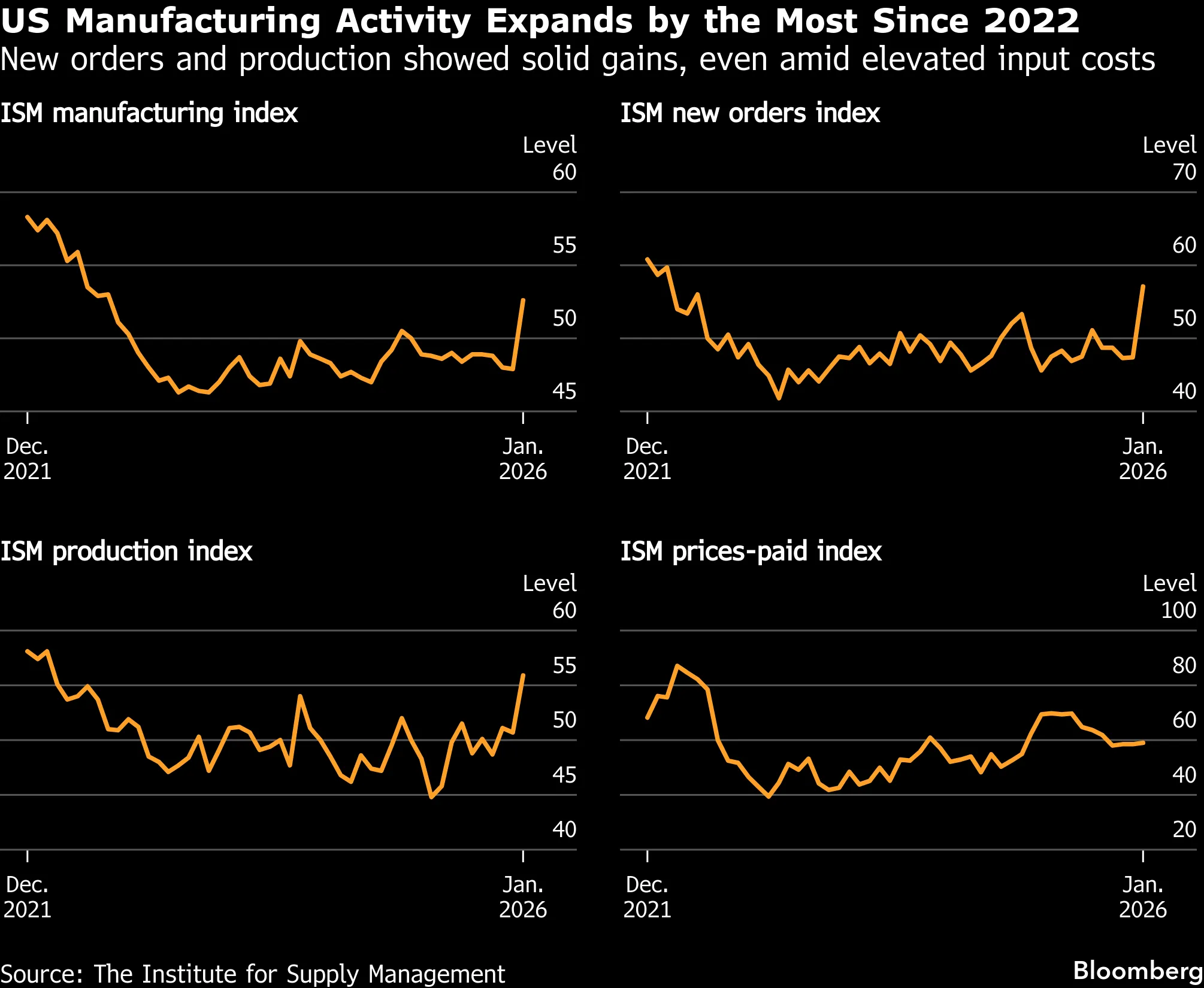
Confluence, the tariffs were designed to do two things: Force foreign nations to lower their tariffs or face reprisal, and when the tariffs were implemented, to promote manufacturing in the United States. The undeniable fact is that since the US had a massive trade deficit with the nations subject to the tariffs, the end game was never a winner for the foreign nations - never. They needed the US markets much, much more than the United States needed their exports.

The trade deficit with Canada is driven by oil and gas imports. The tariff promoted energy production in the United States. The broader result was a positive increase in manufacturing in the United States the past two-plus years.

-1x-1.webp
1782884195814.png

Further, as you pointed out, Canada is spending significantly more on border security because of the tariff and tariff threats. So the idea that the tariffs and tariff threats did not produce significant manufacturing increases in the United States is wrong; the tariffs and tariff threats forced dozens of nations to starting paying for their own defense rather than simply having American taxpayers foot the bill; and the tariffs and tariff threats led directly to a massive downturn in illegal immigration and a border that actually means something.

The crescendo of tARiFfS BaD was always a comment about tariffs imposed by the United States against other nations, never the tariffs imposed on United States exports.
 
Confluence, the tariffs were designed to do two things: Force foreign nations to lower their tariffs or face reprisal, and when the tariffs were implemented, to promote manufacturing in the United States. The undeniable fact is that since the US had a massive trade deficit with the nations subject to the tariffs, the end game was never a winner for the foreign nations - never. They needed the US markets much, much more than the United States needed their exports.

The trade deficit with Canada is driven by oil and gas imports. The tariff promoted energy production in the United States. The broader result was a positive increase in manufacturing in the United States the past two-plus years.

-1x-1.webp
View attachment 17698

Further, as you pointed out, Canada is spending significantly more on border security because of the tariff and tariff threats. So the idea that the tariffs and tariff threats did not produce significant manufacturing increases in the United States is wrong; the tariffs and tariff threats forced dozens of nations to starting paying for their own defense rather than simply having American taxpayers foot the bill; and the tariffs and tariff threats led directly to a massive downturn in illegal immigration and a border that actually means something.

The crescendo of tARiFfS BaD was always a comment about tariffs imposed by the United States against other nations, never the tariffs imposed on United States exports.
Canadian oil is sold at a discount to the US. That would be the opposite of a tariff.

How does that factor into your analysis?

You were just factually incorrect on your point re: Canada and seem unable to accept that. Oh well.
 
Canadian oil is sold at a discount to the US. That would be the opposite of a tariff.

How does that factor into your analysis?

You were just factually incorrect on your point re: Canada and seem unable to accept that. Oh well.

The Canada tariffs excluded energy products (gas, oil) because Canada was not using tariffs as a weapon to protect their energy sector. Canada did not need to protect the energy sector since it did not need the protection due to the abundance of oil, shale oil and natural gas. That is a non-issue in your analysis.

And apparently you are one who thinks what was happening to the American manufacturing core - stripping it bare and shipping it overseas - was okey-dokey and having tens of millions of illegals flood our nation was just fine. I disagree and you are correct, I am not going to accept your contrary position.
 
The Canada tariffs excluded energy products (gas, oil) because Canada was not using tariffs as a weapon to protect their energy sector. Canada did not need to protect the energy sector since it did not need the protection due to the abundance of oil, shale oil and natural gas. That is a non-issue in your analysis.
What Canadian tariffs was Canada using as a weapon? Please be specific.
And apparently you are one who thinks what was happening to the American manufacturing core - stripping it bare and shipping it overseas - was okey-dokey and having tens of millions of illegals flood our nation was just fine. I disagree and you are correct, I am not going to accept your contrary position.
I never commented on anything except your incorrect statement about Canada ,
because you were in error.

I have no problem with any American strategy to rebuild American industry and have never said anything to the contrary.

One further comment: you made a factual error several posts above and seem to have trouble squaring that. Ok, well fine.
What then of the you literally making words up about things i never commented on? You seem to want to litigate your narrative; i agree with you except where you made the factual error about Canada.
 
What Canadian tariffs was Canada using as a weapon? Please be specific.

I never commented on anything except your incorrect statement about Canada ,
because you were in error.

I have no problem with any American strategy to rebuild American industry and have never said anything to the contrary.

One further comment: you made a factual error several posts above and seem to have trouble squaring that. Ok, well fine.
What then of the you literally making words up about things i never commented on? You seem to want to litigate your narrative; i agree with you except where you made the factual error about Canada.

Canada ... our frozen neighbor to the north. If only they weren't so freaking protectionist.
 
Canada ... our frozen neighbor to the north. If only they weren't so freaking protectionist.
I try and keep my snout out of your politics unless my country is mentioned. It’s always funny how so many on here comment on Canada being protectionists. Without of course looking in the mirror. Your government heavily subsidizes many industries…..as mine does too. You do realize that Canada is a population of 41 million people. Compared to what 400 million? Yes we protect our farming industry. So do you. Is that a bad thing?

You realize the US throws out in the trash more dairy/farming products per day than Canada consumes per day. Do you ever stop to think how many billions Canada imports from your farming industry? Do you realize our government bans rBST an artificial growth hormone that you put in your feed to increase yield for milk. I’ll keep our farmers milk. I could go on and on. You do realize that you had a trade surplus with Canada when you included all the energy discounts the US received from Canada. Maybe you should actually look that up. But of course will you be the one that yells…but Canada subsidies its industry. While not looking in the mirror on how much your government subsidies its industries. Maybe google how much your government has been doing it. Bailouts galore. I could give you many factual examples. Below are a couple.

This isn’t me saying the US isn’t important to Canada. I’d like to think we are somewhat important to you. Las Vegas,Hawaii,Florida,many border towns are missing our spending. The one good thing out of all this is we have found annd signed many new stable deals with other partners. There was far too much complacency.

And by the way,bringing up your illegals had absolutely nothing to do with anything whatsoever so ******* ever with Confluence above. Don’t be one of those guys.


Yes, the United States is highly protectionist with its farming sector. The government has historically shielded domestic agriculture from foreign competition using massive subsidies, strict tariffs, and import quotas. [1, 2]
The United States maintains its agricultural protectionism through several key methods: [1, 2]
  • Massive Subsidies: The federal government consistently provides substantial financial support. For example, the U.S. Department of Agriculture (USDA) offers programs such as price and income supports, disaster relief, and extensive crop insurance that protect farmers from market declines and natural disasters. [1, 2, 3, 4]
  • Tariff Protections & Trade Policies: The U.S. levies duties on a wide variety of imported food products to restrict foreign competition. Furthermore, aggressive trade policies, such as baseline import tariffs and reciprocal tariff regimes, have been enacted to reshape global agricultural trade. [1, 2, 3, 4, 5]
  • Quotas & Supply Management: For highly sensitive products like dairy and sugar, the government limits the volume of low-tariff imports that can enter the country. [1, 2, 3]
  • Farm Bill Support: The United States Farm Bill serves as the primary legislative vehicle for agricultural subsidies. The upcoming 2026 Farm Bill draft further expands crop insurance to cover market price declines and dedicates continuous funding to domestic mechanization research. [1, 2, 3]

If you're interested in how this affects the broader economy, I can provide details on:
  • Specific commodities that receive the largest subsidies (e.g., corn, soybeans)
  • How retaliatory tariffs impact U.S. farmers
  • The ongoing debates surrounding the 2026 Farm Bill
Yes. The United States wastes and discards more dairy products daily than Canada's total daily consumption. According to USDA and EPA loss-adjusted food availability data, the U.S. discards an estimated $161+ billion worth of food annually, with dairy consistently being one of the most frequently wasted food groups. [1, 2, 3, 4]
The sheer disparity in scale highlights this:
  • U.S. Dairy Waste: U.S. households, retailers, and food services discard approximately $11.5 billion metric tonnes (over 25 billion pounds) of dairy products each year. That averages out to roughly \(68.4\) million pounds of milk, cheese, and dairy thrown out per day by Americans. [1]
  • Canadian Total Consumption: The entire Canadian population (~40 million people) consumes around 3.5 billion litres of fluid milk annually. Adding cheese, yogurt, and butter, Canada's total daily dairy consumption is just a fraction of the sheer volume the U.S. throws away.
Due to its massive population and food supply chain, the U.S. alone generates enough food surplus and waste to easily outpace the total national dairy diet of its northern neighbor. You can read more about these environmental and food cycle metrics on the United States Environmental Protection Agency site. [1, 2, 3, 4]
 
Steelmann, my last comment was a joke. All nations enact protectionist trade policies. My point for the past several years has been that the United States doing so is the only occasion in my lifetime that such policies have been criticized.

EU restricts importation of American cars, and refrigerators, and bicycles, and wine, and bourbon, and wheat, and beef? No problem. China places tariffs on nearly every import since it was granted most favored nation status in 2000? No problem. NAFTA castrates American manufacturing? No problem.

Trump threatens tariffs?

giphy.gif
 
Canada ... our frozen neighbor to the north. If only they weren't so freaking protectionist.
Uh huh.

Noticed you passed on confirming your mistake. It's ok.

So then you do the drive-by.

Perhaps you could do us all a favor and point out of Canada's protectionist problems for you. Food security and culture will be top of your list, no doubt.

Canada has many, many significant structural, leadership and economic issues, but protectionism ain't one of them.
 
Steelmann, my last comment was a joke. All nations enact protectionist trade policies. My point for the past several years has been that the United States doing so is the only occasion in my lifetime that such policies have been criticized.

EU restricts importation of American cars, and refrigerators, and bicycles, and wine, and bourbon, and wheat, and beef? No problem. China places tariffs on nearly every import since it was granted most favored nation status in 2000? No problem. NAFTA castrates American manufacturing? No problem.

Trump threatens tariffs?

giphy.gif
Neither funny, nor accurate.

If NAFTA caused manufacturing jobs to leave the US, those jobs sure as hell did not go to Canadians.

Perhaps try a tiny bit of research before you cast aspersions.

Start with Canadian political leaders, energy and resource policy, banking, the sham of universal healthcare, massive corruption in foreign aid, etc.
Even one disappointing hockey game.
 
Confluence, your life will be better if you removed the stick from your ***.

And admit Canada is a protectionist devotee. :ROFLMAO:
 
This is hilarious, and not entirely inaccurate. Mr. Super negotiator has gotten played. For as much as he talks about making deals, he hasn’t made that many worth mentioning.
Iran is not our monkeys, not our circus. We don't need their oil.
1. Ban exports of American oil, we will set our own market and prices.
2. Let the EU and China figure out Iran and the Strait of Hormuz themselves.
3. Elon could probably figure out a fast way to dig a canal bypassing the Strait.
 
Top